Creating a connected landscape for nature
By working together across properties and communities, Whakaupoko Landcare is creating healthier habitats for taonga species now and into the future.
Why this project matters
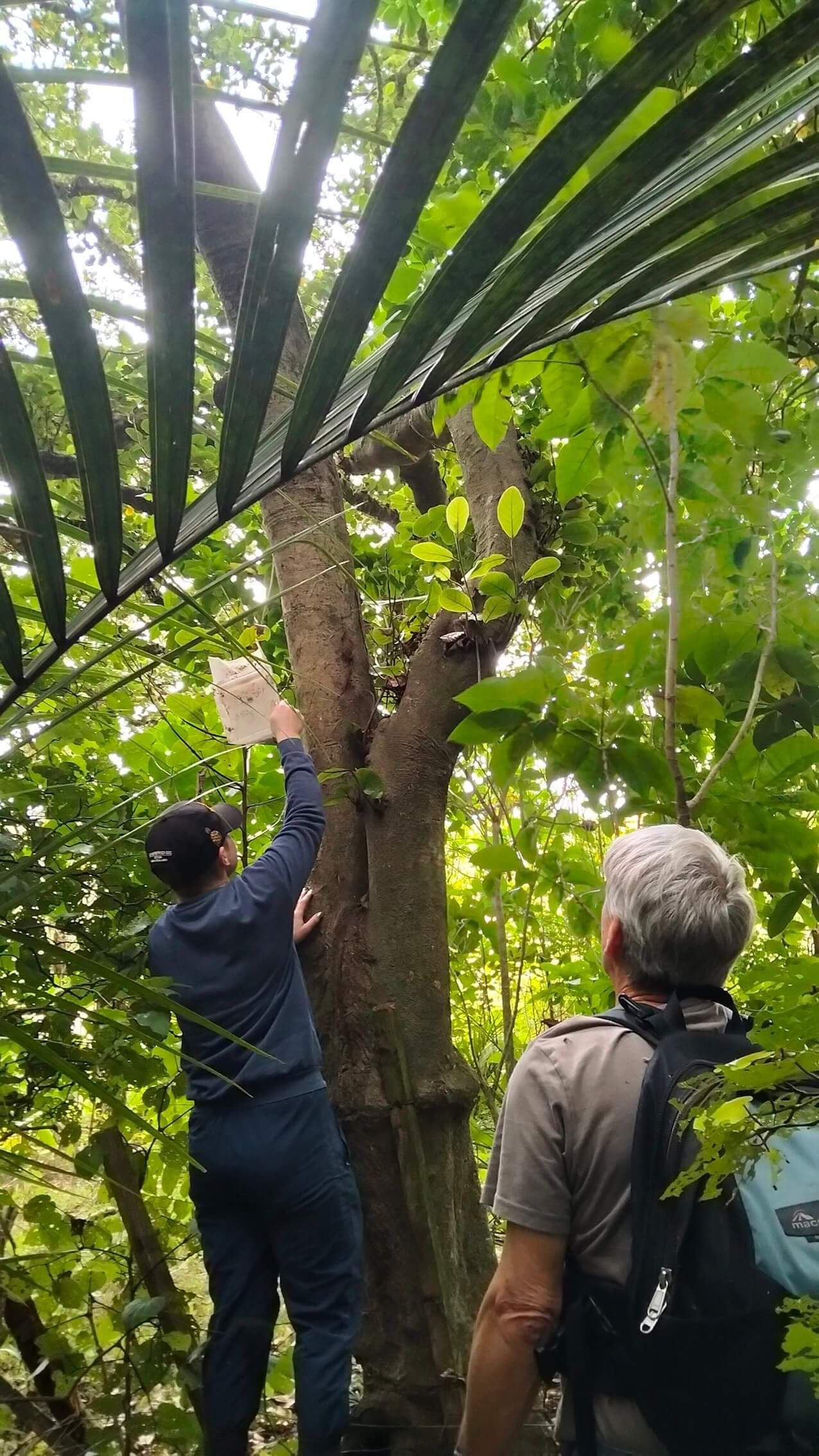
The Whakaupoko rohe is home to a network of precious native bush remnants, wetlands and farmland that provide important habitat for native birds, lizards, insects and one of our most remarkable taonga species, the long-tailed pekapeka (New Zealand long-tailed bat), our only native land mammal.
Introduced predators, invasive weeds and habitat fragmentation place significant pressure on these ecosystems, threatening biodiversity and the survival of native wildlife, including the locally important pekapeka colonies.
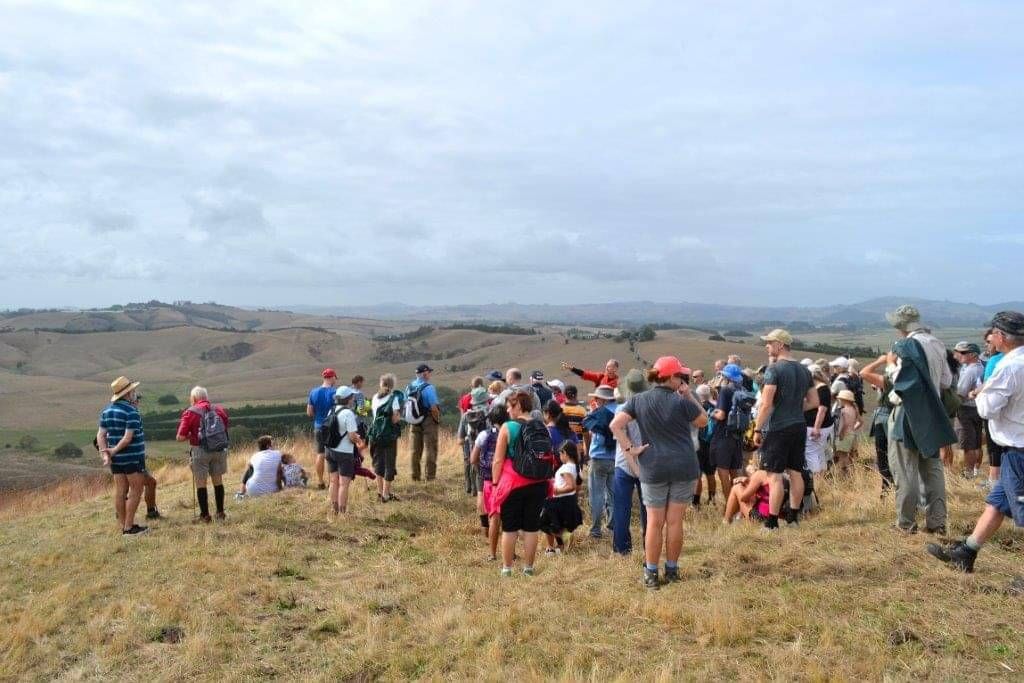
By working together across Mauku, Pukeoware, Patumahoe and Puni, Whakaupoko Landcare is creating a connected landscape for nature through coordinated predator control, pest plant management, native planting and habitat restoration. The group also brings people together through field days, community events and opportunities to learn and care for the environment.
Every trap checked, weed removed and native tree planted helps protect our unique wildlife and create a healthier landscape for future generations.

Get involved with Whakaupoko
Pukeoware, Mauku, Patumahoe, Puni
1. Subscribe to the Whakaupoko newsletter
2. Get in touch with the local project coordinator
Contact: Amber Sims
Email: amber.sims@hotmail.com
Phone: 021 0269 6013
Already have traps and bait stations?
We would love it if you could map them on Trap.NZ, and, even better, keep records of what you catch (Don’t worry, the exact locations are kept private, it just lets us know roughly where action is happening in the area).
How to map your traps and bait stations and keep records
1 – Register on Trap.nz
2 – Join the Whakaupoko project
Join the Whakaupoko project
4 – Use the app to map your traps and bait stations and to keep records
Map your traps and bait stations and to keep records of when they’re rebaited and when captures happen. Check out trap.nz's handy 'Getting Started' info to learn the basics of using this powerful conservation platform.
Local progress
<<Embed widget for Aka Aka Project here>>
When nature thrives, we all thrive.

Te Ara Hīkoi empowers communities across Franklin to protect and restore nature through predator control, habitat restoration, pest plant management, and conservation education.

