Predator Free Franklin
Supporting communities to restore nature across southern Auckland and northern Waikato, with practical help, resources, and coordination.
Predator Free Franklin
A community-led initiative of conservation-minded groups, collaborating to protect native biodiversity and strengthen local communities. Together, locals aim to eliminate possums, mustelids, rats and feral cats from Franklin’s urban and rural landscapes by 2050.
Te Ara Hīkoi supports the Predator Free Franklin programme by providing practical support, resources, training and coordination, building on existing projects and fostering new community-led initiatives.
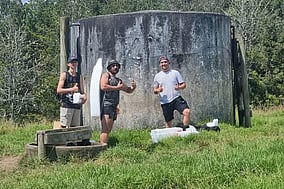
Whether you're trapping in your backyard, managing a lifestyle block, restoring a local reserve or coordinating a large community project, every action contributes to a healthier, more resilient environment for native wildlife, where birds, bats, lizards and other taonga species can thrive.
Together, these efforts create thriving ecosystems, returning wildlife, and resilient communities empowered to safeguard their environment.
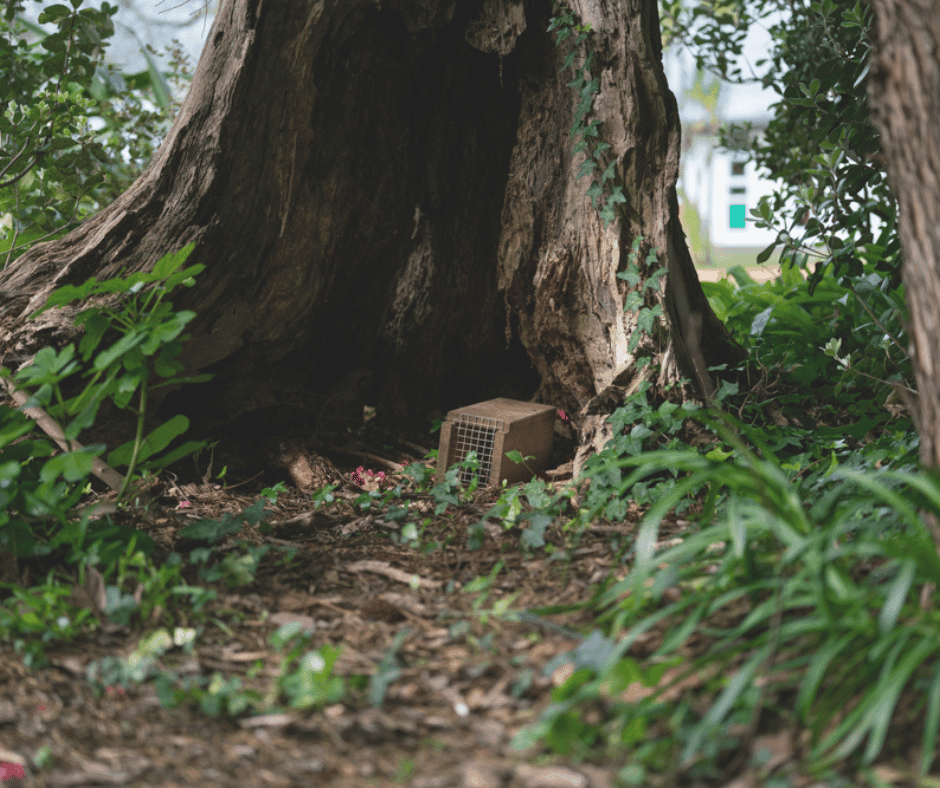
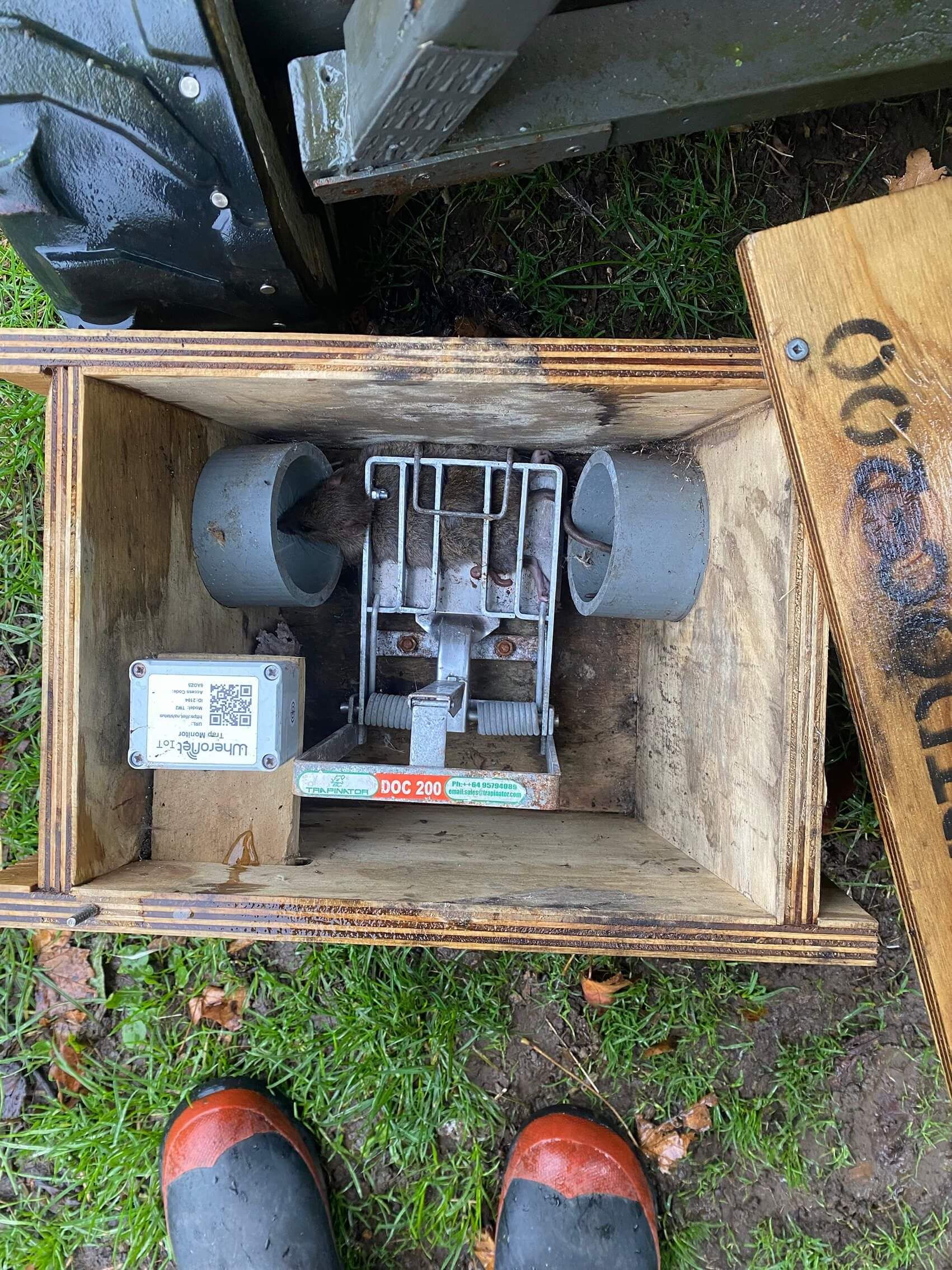
Why predator control matters
Introduced mammalian predators are one of the greatest threats to Aotearoa's taonga species. Many of our birds, bats, lizards and invertebrates evolved without mammalian predators and are especially vulnerable to predation.
Predators such as rats, possums, mustelids and feral cats, not only reduce wildlife populations by hunting native species, but also damage forest ecosystems by disrupting the natural balance of our environment.
By working together to reduce predator numbers across our landscapes, we're creating safer habitats where our birds, bats, lizards and other native species can recover, breed successfully, and return to places where they haven't been seen for generations.
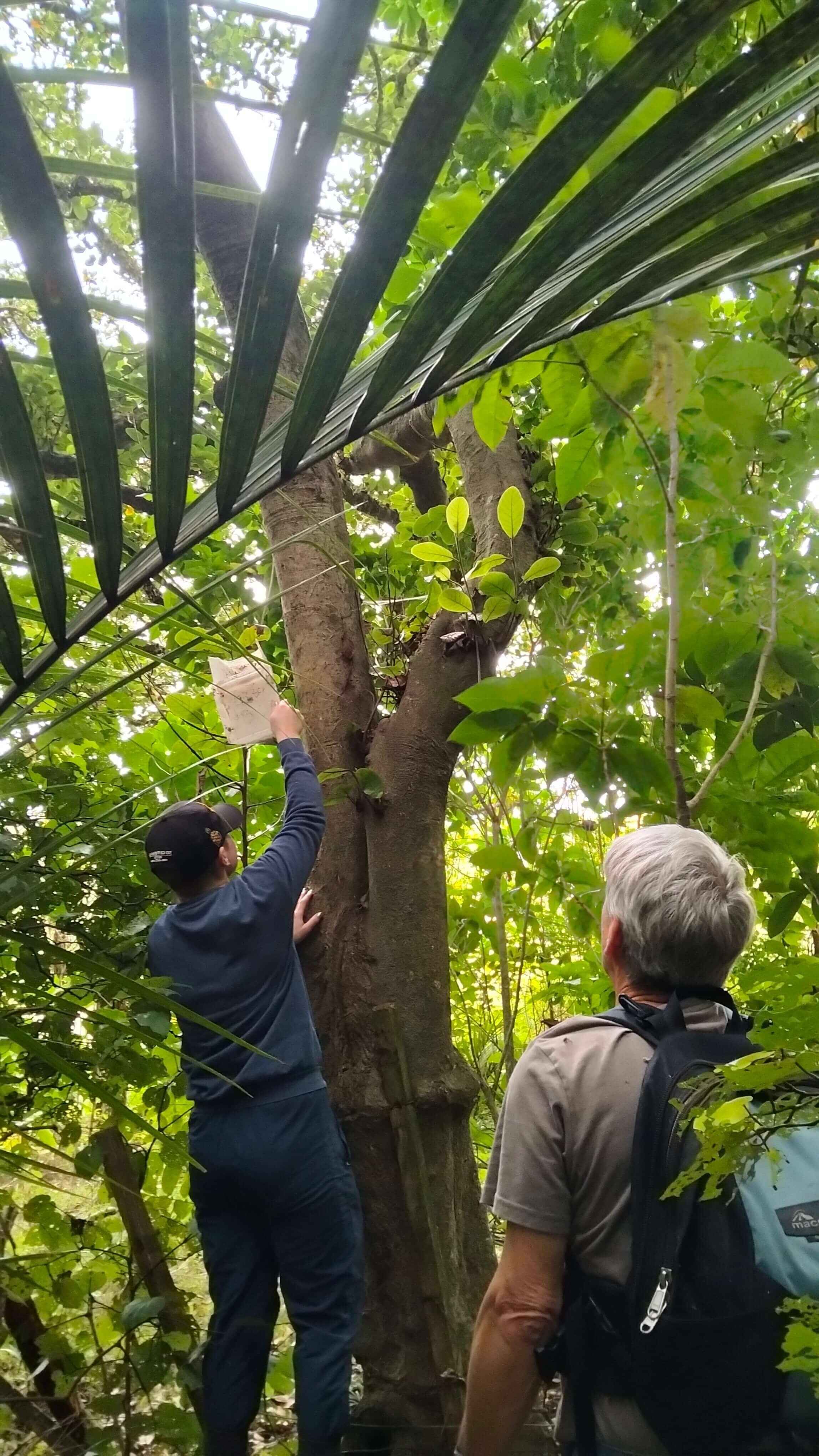
Community-led conservation
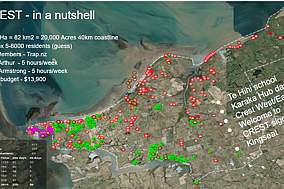
Predator Free Franklin isn't a single project—it's a network of local groups connected by a shared goal.
Across the region, community initiatives are protecting reserves, coastlines, farms, bush remnants, parks and neighbourhoods. Every community brings local knowledge, passionate volunteers and unique priorities, while benefiting from shared resources, training and regional coordination.
Together, these individual efforts create a much bigger picture. Small actions on individual properties combine to form connected landscapes where native wildlife has a better chance to thrive.
We help make predator control easier, more effective and more connected by providing:
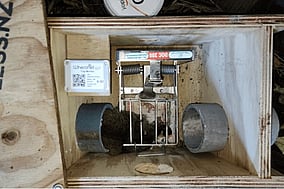
Predator traps and equipment
Practical training and workshops
Advice on trap placement and best practice
Support using trap.nz to record and monitor results
Resources for community groups and volunteers
Networking opportunities to share knowledge and experience
Regional coordination and project support
Promotion of local conservation initiatives and events
Our role is to empower local communities with the tools, knowledge and support they need to lead conservation where they live.
3,275
volunteers
10,040
traps and bait stations
59,985
predator captures recorded
23
trap.nz community projects
These achievements represent thousands of hours of community effort, coordinated action, and collaboration across our rohe.
"Ehara taku toa i te toa takitahi, engari he toa takitini"
"My strength is not as an individual, but as a collective"

Te Ara Hīkoi empowers communities across Franklin to protect and restore nature through predator control, habitat restoration, pest plant management, and conservation education.

