Mangatangi Maramarua Catchment Group is sorting out it’s pests!
Some awesome work has been going on across Mangatangi and Maramarua, but to get the job done, we need everyone in the game.
Why this project matters
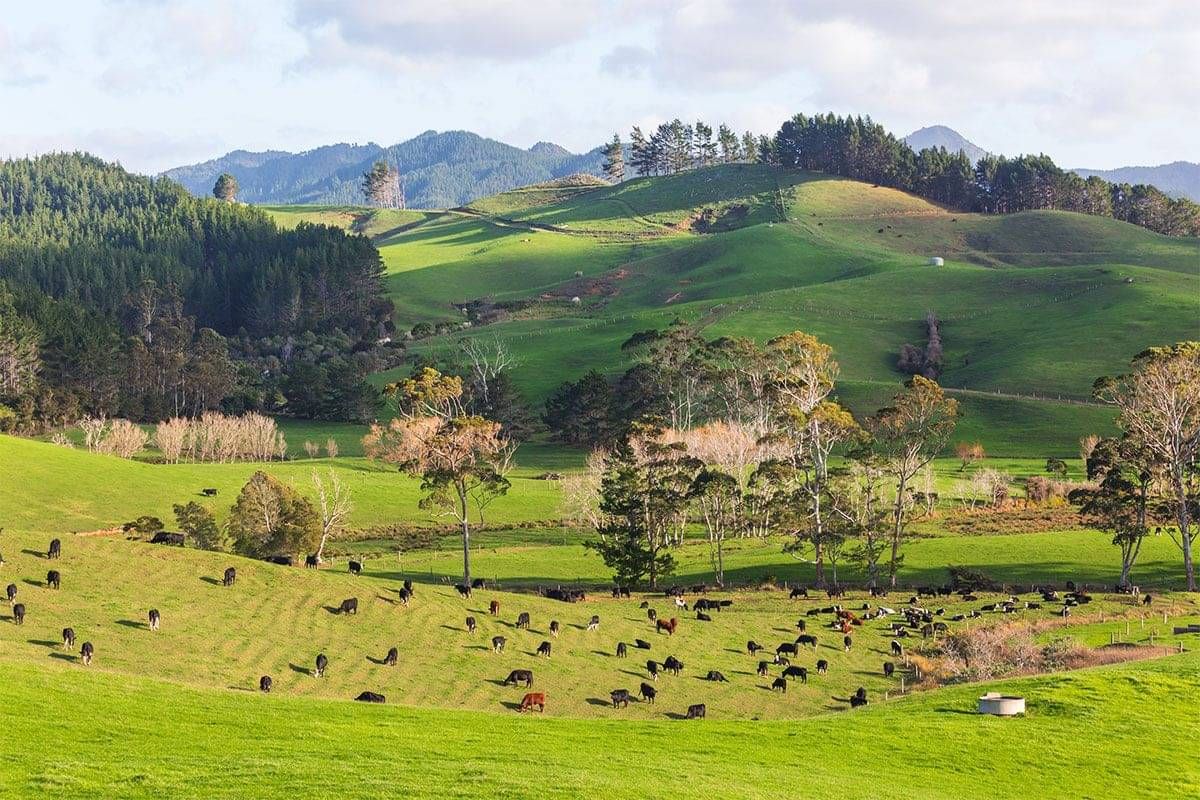
The Mangatangi Maramarua Catchment is 20,000 hectares nestled between the Hunua Ranges, the Firth of Thames and one of the north islands largest wetlands. The group works with the wider community to achieve a reduction in pest predator numbers to maintain and improve forest and river biodiversity, reduce e-coli in streams and protect and increase native species numbers. 936 bait stations are installed in areas of high biodiversity value within the catchment.
Edna testing in local water habitats records a rich biodiversity with 527 species detected, including two rare and declining freshwater mussel species (kākahi) Echyridella menziesii and the rarer Echyridella aucklandica that are highly susceptible to predators. Mangatangi Maramarua Catchment's water monitoring and eDNA reporting allows the community to make informed decisions.
Our goals are to improve environmental resilience, encourage the community to take action against pest predators and for everyone to install a bait station in every shed.
Get involved with Mangitangi Maramarua Catchment
1. Join the Mangatangi Maramarua project newsletter
3. Check out our events calendar
See what's coming up in your local area and across our rohe
Already have traps and bait stations?
We would love it if you could map them on Trap.NZ, and, even better, keep records of what you catch (Don’t worry, the exact locations are kept private, it just lets us know roughly where action is happening in the area).
How to map your traps and bait stations and keep records
1 – Register on Trap.nz
2 – Join the Mangatangi Maramarua project
Join the Mangatangi Maramarua Catchment project
4 – Use the app to map your traps and bait stations and to keep records
Map your traps and bait stations and to keep records of when they’re rebaited and when captures happen. Check out trap.nz's handy 'Getting Started' info to learn the basics of using this powerful conservation platform.
When nature thrives, we all thrive.

Te Ara Hīkoi empowers communities across Franklin to protect and restore nature through predator control, habitat restoration, pest plant management, and conservation education.

